Applications

What it is for

Explore the obstacles behind binder discovery, with structural examples and detailed explanations. Target assessment connects these questions to your project.

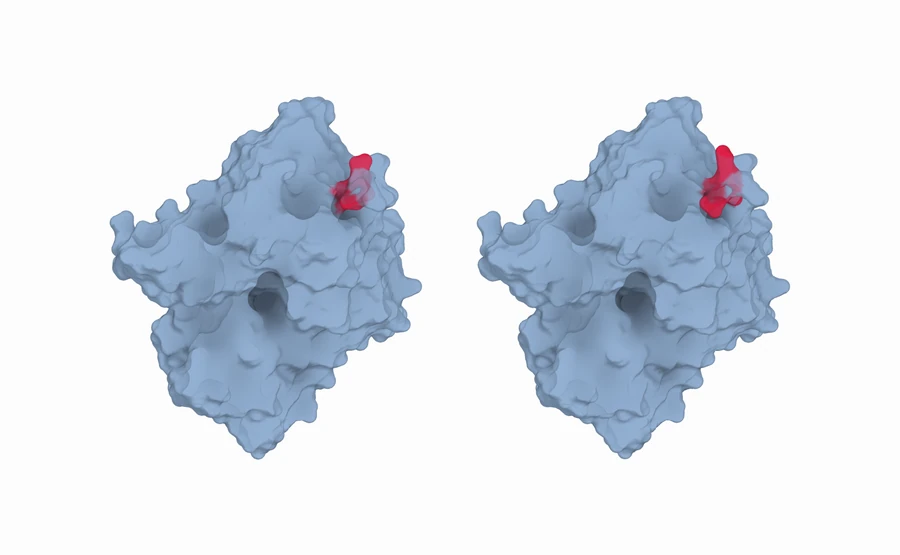
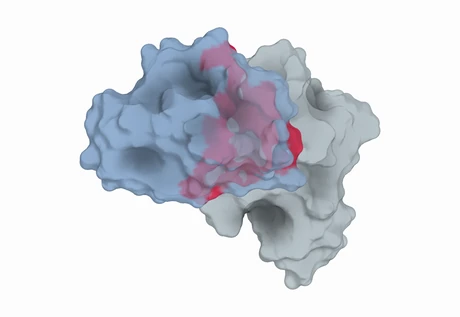
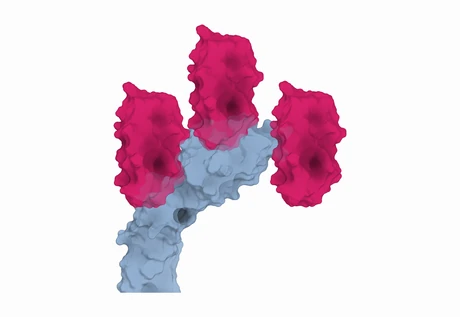
A minibinder, in rose, on the loops of a receptor that crosses the membrane

Start from your target

Accessibility, immune tolerance, specificity and antigen quality create different obstacles to binder discovery. Each example shows a question we assess before choosing a design and testing strategy. Our work includes membrane and soluble proteins.

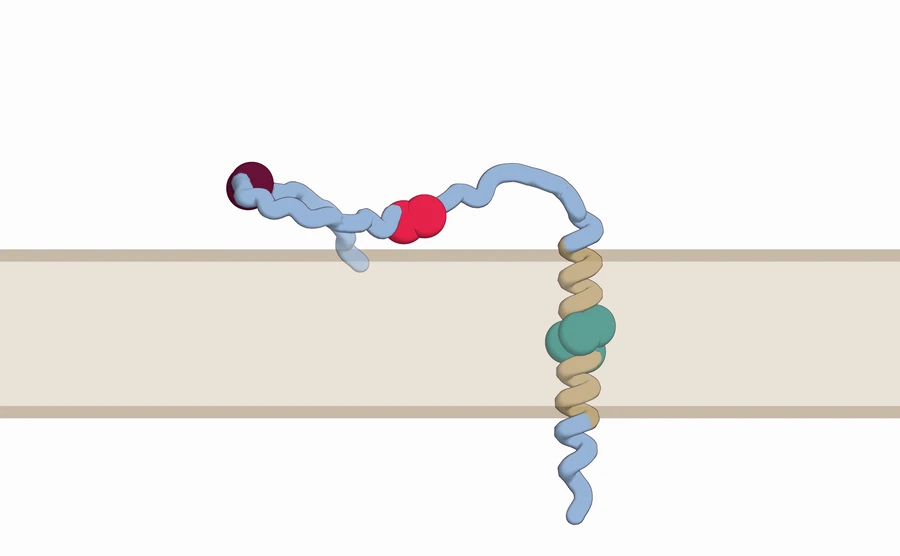
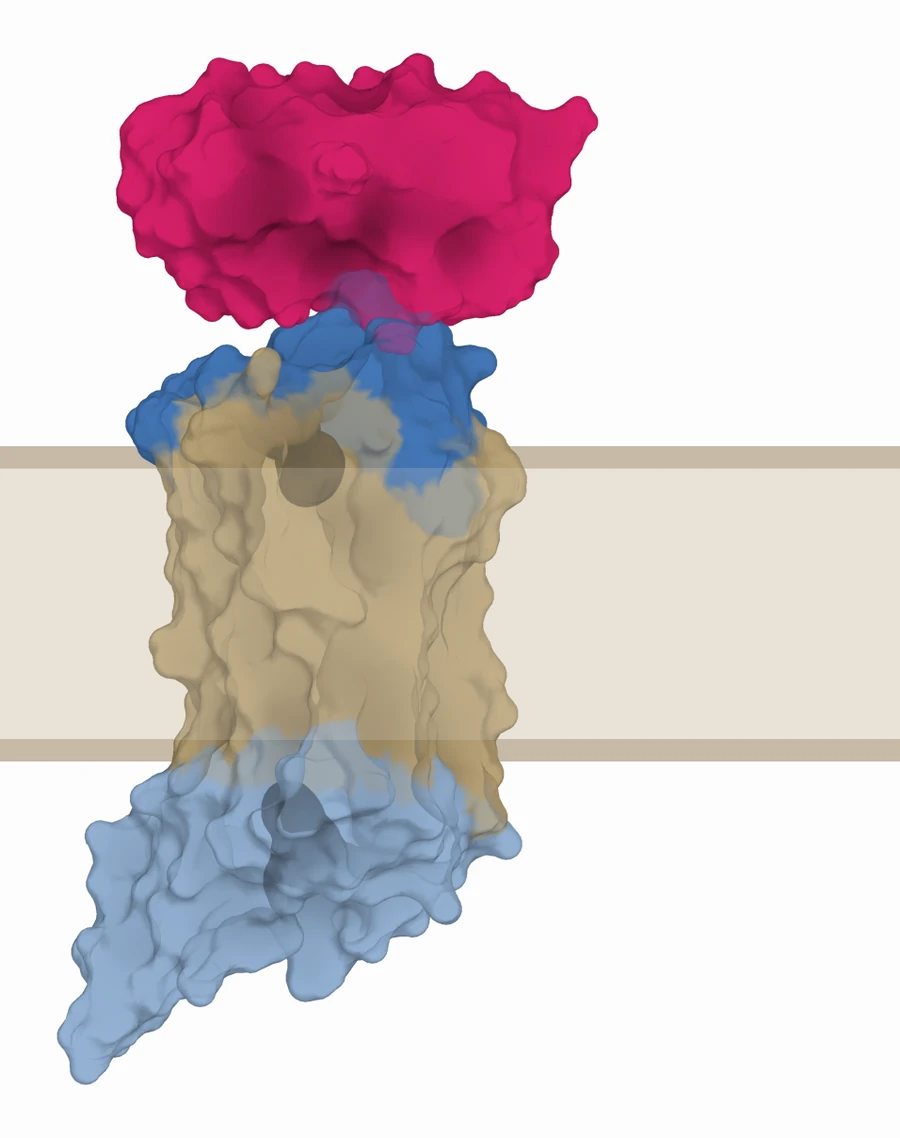
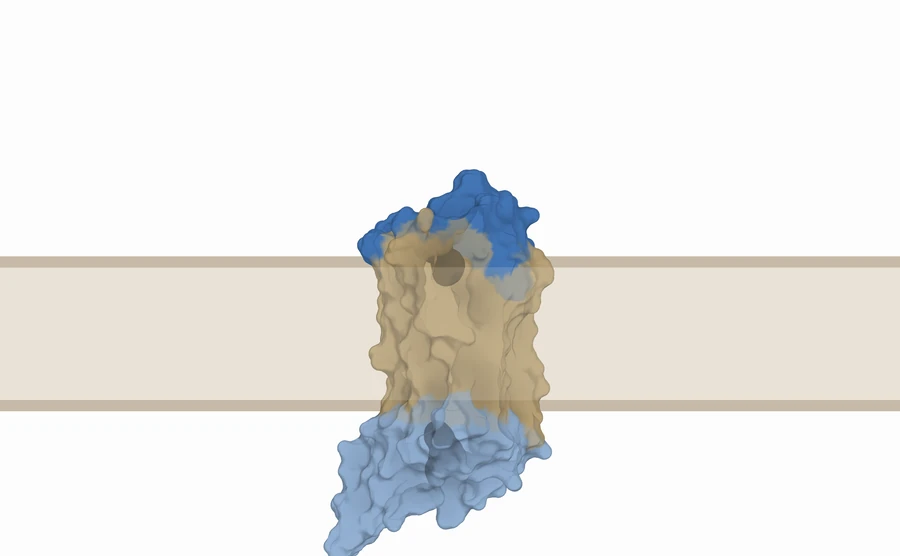
A seven-transmembrane receptor embedded in a lipid bilayer, with the loops outside the cell in blue

A, accessibility-limited

The surface is hard to reach

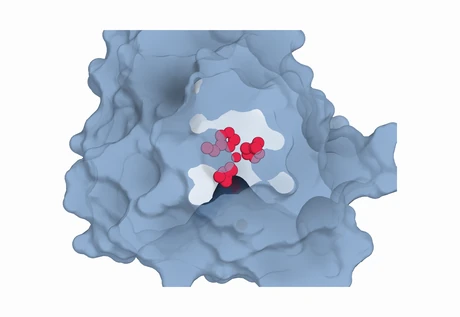
A small, recessed or partly covered epitope can limit which binder shapes reach it. We assess accessibility in the relevant protein structure and biological context.

Shown: a multi-pass membrane protein, where only the short extracellular loops are accessible in the native fold.

Also:
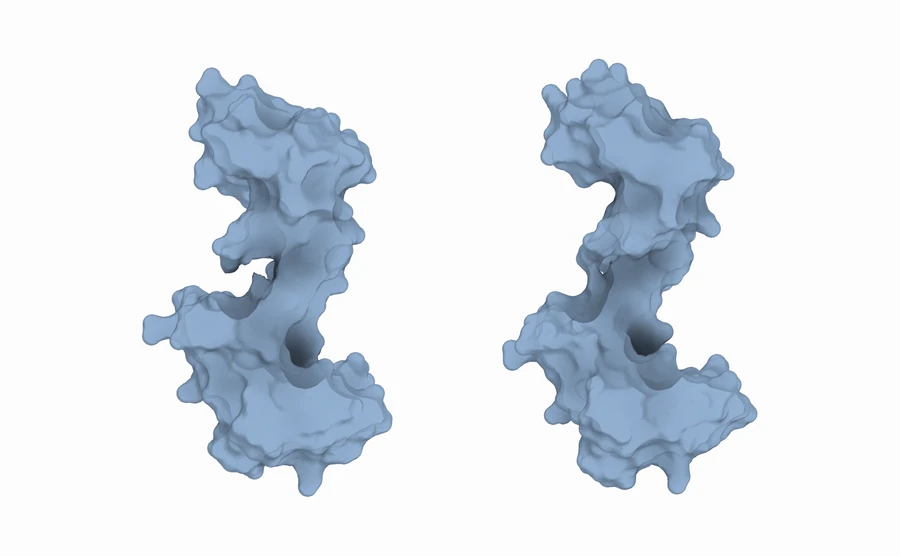
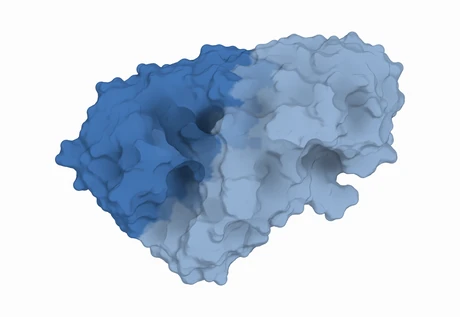
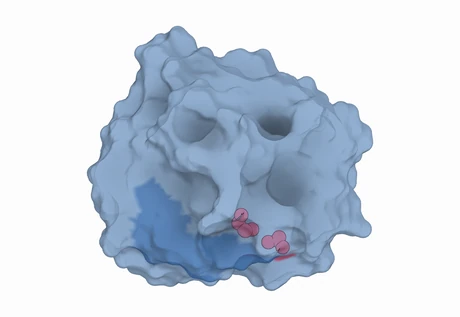
Human and mouse calmodulin side by side: the two proteins have the same sequence and look the same

B, immune tolerance-limited

Immune tolerance limits the response

A protein conserved between human and mouse may elicit little immune response. Computational design starts from its structure, without relying on an animal to produce antibodies.

Shown: a protein conserved to the residue, since human and mouse calmodulin share one sequence.

Also:

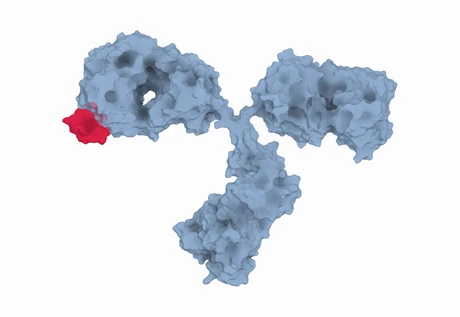
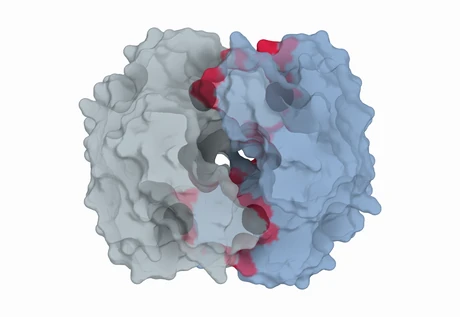
Beta-actin and gamma-actin side by side: two nearly identical proteins, with the few positions where they differ marked in rose

C, discrimination-limited

The neighbour looks the same

Closely related proteins can share the same binding surface. We include the proteins to avoid in the assessment and computational comparison; selectivity is established by the agreed experimental tests.

Shown: two paralogues that differ at a handful of positions, β-actin and γ-actin.

Also:

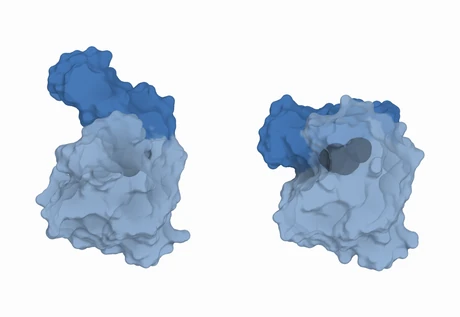
The membrane region of the amyloid precursor protein, drawn as a tube, with the secretase cleavage sites marked

D, antigen supply-limited

The antigen will not behave

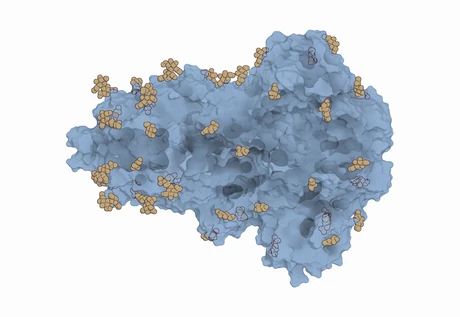
Misfolding, aggregation or poor expression can compromise a binding assay. A structure or model supports an initial assessment, while representative target material remains essential for experimental testing.

Shown: a flexible stretch held in the membrane, from the amyloid precursor protein.

Also:

For labs with a defined target and a concrete question

We start with academic groups and biotech companies in the German-speaking region. What they share is a protein they need to detect, pull down or block in a specific experiment, and no reagent that does it.

Academic research groups

A hard target, and no capacity for a campaign

You work on a membrane protein or another hard-to-reach target, the commercial reagents fail the control you care about, and the group has neither the structural work nor the screening capacity to run a design campaign of its own.

Biotech companies

A reagent, or an answer before you commit

You need a research reagent against a defined target, or a written feasibility judgement before a programme is committed to it, with scope, acceptance criteria and rights settled before the work starts.

Teams with data and a question

An analysis, without building the pipeline

You hold sequence or proteomics data and a question about substrates, cleavage sites or a protein family, but building and validating the analysis would cost more time than the answer is worth.

Tell us the target that is holding your experiment up

You get a straight answer about what is realistic.

Research use only. Scope, criteria and deliverables are agreed per project.